

Cart
Your shopping cart is empty!
It's never too late to make things right :)


Copied
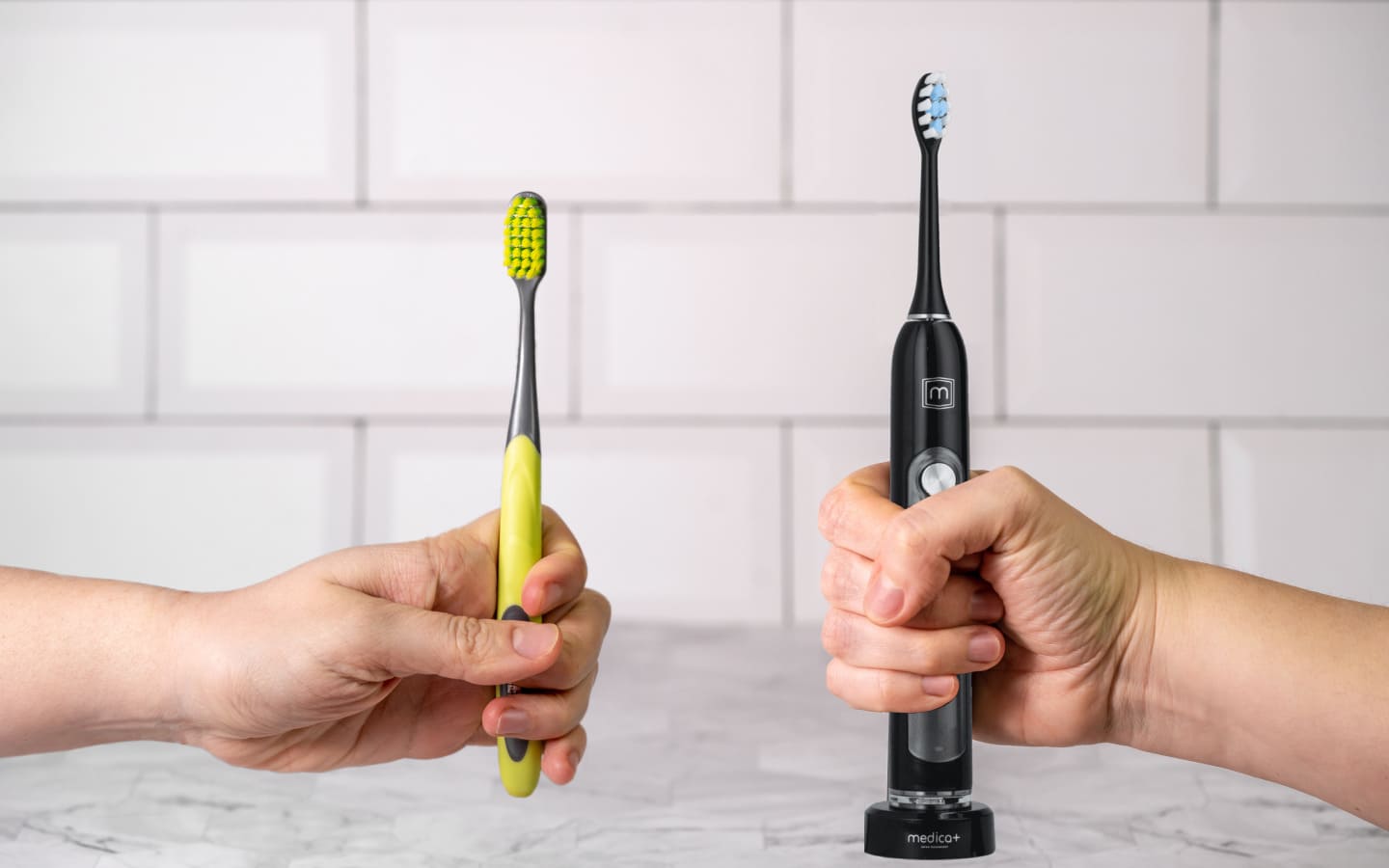
Choosing a toothbrush used to be fairly simple: manual or electric. Today, there are oscillating-rotating brushes, sonic toothbrushes, multiple cleaning modes, pressure sensors, timers, travel cases and dozens of different brush heads.
So it is reasonable to ask: is a sonic toothbrush actually worth it, and does switching to one make a meaningful difference to your daily oral hygiene?
The answer is not about choosing the toothbrush with the highest number of vibrations or the longest list of features. A good toothbrush should make it easier to brush thoroughly, consistently and gently twice a day.
Below, we explain how sonic toothbrushes work, how they compare with manual and rotating electric brushes, who may benefit from one and which features are genuinely useful before you buy.
A sonic toothbrush is a type of powered toothbrush that uses rapid side-to-side or vibrating movements of the bristles to clean the teeth.
Unlike a manual toothbrush, where your hand creates nearly all of the brushing movement, the motor inside a sonic toothbrush moves the bristles for you. Your job is mainly to guide the brush head slowly around the mouth and make sure every tooth surface is reached.
Most sonic toothbrushes also include features such as a two-minute timer, interval reminders and different intensity settings that can make a consistent brushing routine easier to maintain.
The terms sonic and ultrasonic are often used interchangeably in product descriptions, but technically they do not mean exactly the same thing.
Sonic toothbrushes rely primarily on rapid mechanical movement of the bristles.
Ultrasonic toothbrushes, in the strict technical sense, use ultrasound at frequencies above the range of human hearing and may generate this energy using a separate ultrasonic element.
In everyday retail language, the distinction is not always used consistently. That is why it is more useful to look at the actual specifications of a toothbrush — its movement type, intensity settings, brush heads, timer and intended use — rather than relying only on the word “sonic” or “ultrasonic” on the packaging.

A sonic toothbrush moves its bristles thousands of times per minute. This means you do not need to scrub your teeth back and forth as vigorously as you would with a manual toothbrush.
The fast bristle movement helps mechanically disrupt and remove plaque from tooth surfaces, while the user slowly guides the brush around the outside, inside and chewing surfaces of the teeth.
The toothbrush does not clean the mouth automatically. Technique still matters.
The main advantage is that the device can make brushing more consistent: the motor provides the repetitive movement, while timers and interval reminders help you spend enough time on each area of the mouth.
With a manual toothbrush, all brushing movement is created by your hand.
A manual toothbrush can clean teeth effectively when used with good technique for long enough, but the result depends strongly on how you brush, how much pressure you use and whether you reach every surface.
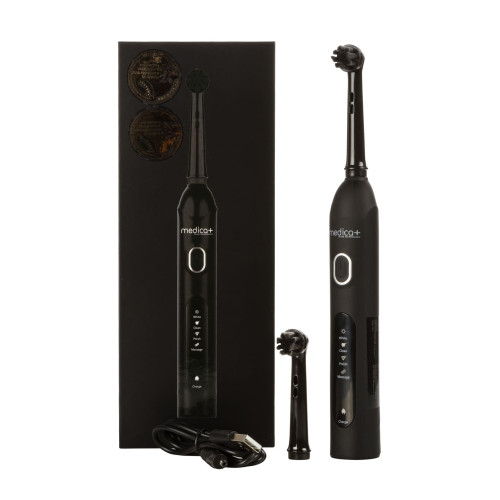
This type usually has a small round brush head that oscillates or rotates. Instead of using broad brushing movements, you normally guide the head from tooth to tooth and allow the mechanism to do most of the cleaning movement.
A sonic toothbrush usually has a longer brush head that looks more similar to a traditional toothbrush.
The bristles move rapidly while you guide the head slowly along the teeth. Many people find this technique more familiar when switching from a manual brush.
Switching toothbrushes does not automatically improve your oral health.
You can own an advanced electric toothbrush and still leave plaque behind if you brush for too little time, miss the gumline or fail to clean between the teeth.
Powered toothbrushes can, however, make proper brushing easier because the motor creates consistent bristle movement and built-in timers help users avoid ending the brushing session too early.
For someone who struggles with brushing technique or consistency, this can be a meaningful advantage.
If you already use a manual toothbrush correctly, brush for the recommended amount of time and your dentist or dental hygienist is happy with your oral hygiene, switching is not compulsory.
There is no single toothbrush technology that is ideal for everyone.
A rotating electric toothbrush may suit you if you prefer a small round head and like cleaning one tooth at a time.
A sonic toothbrush may feel more natural if you prefer an elongated brush head and a brushing style closer to the one you already know from a manual toothbrush.
In practice, one of the most important questions is simply:
Which toothbrush are you more likely to use correctly twice every day?
Current evidence does not justify assuming that every sonic toothbrush is automatically superior to every oscillating-rotating model. Technique, consistency and proper interdental cleaning remain essential regardless of the technology.
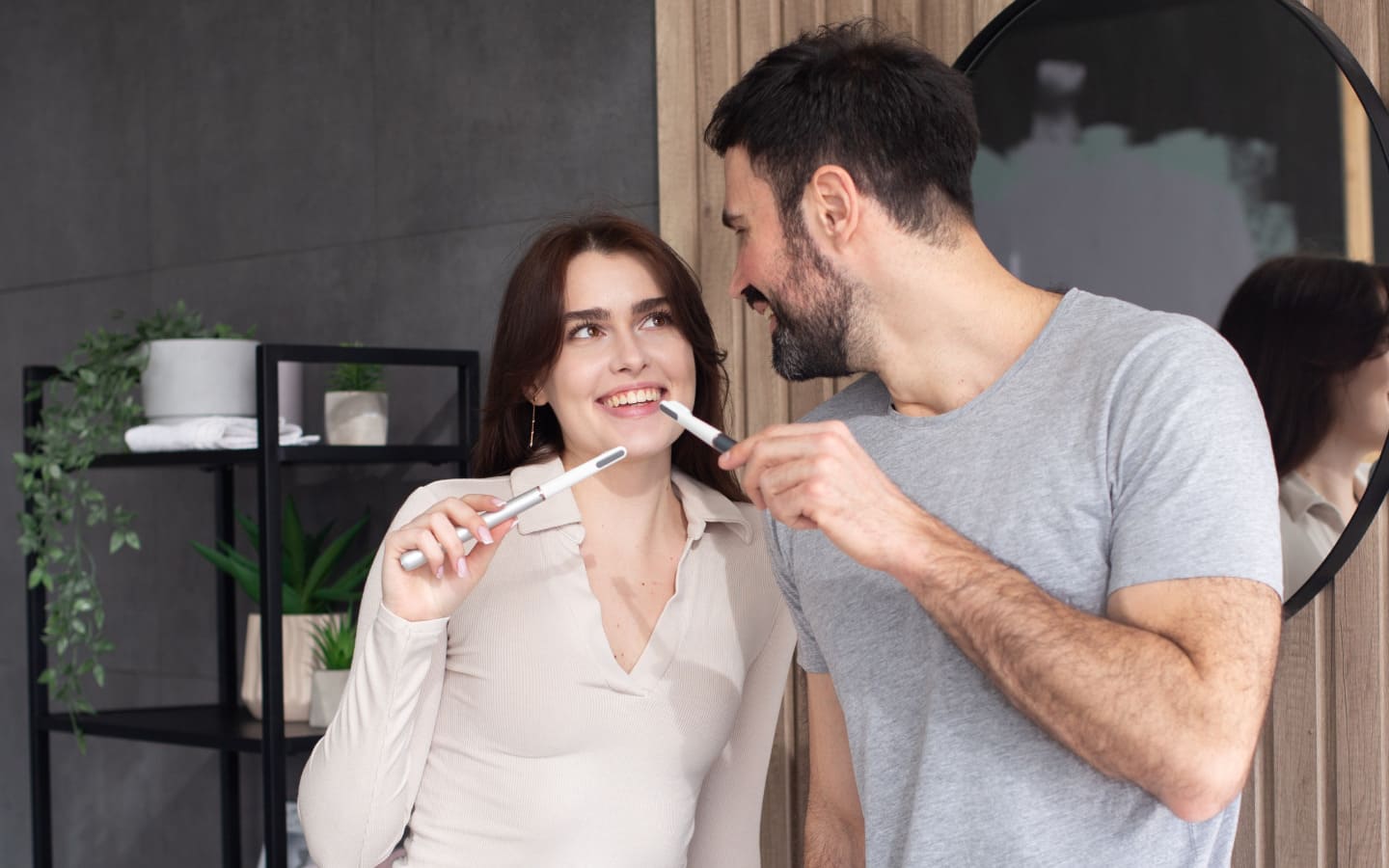
A sonic toothbrush may be worth considering if you:
You do not necessarily need the most expensive model or the toothbrush with the largest number of modes. A few useful features that match your routine are usually more valuable than ten programs you never use.
They can be, particularly when the toothbrush offers a gentle mode and a suitable soft brush head.
For sensitive gums, the number of movements per minute is less important than gentle brushing technique and avoiding excessive pressure.
If your gums regularly bleed, however, simply switching toothbrushes should not be treated as the solution. Persistent bleeding can be associated with gingivitis, plaque or tartar buildup and should be discussed with a dentist or dental hygienist.
We cover this topic in more detail in our guide Sensitive Gums and Bleeding: Is It Worth Switching to an Electric Toothbrush?.
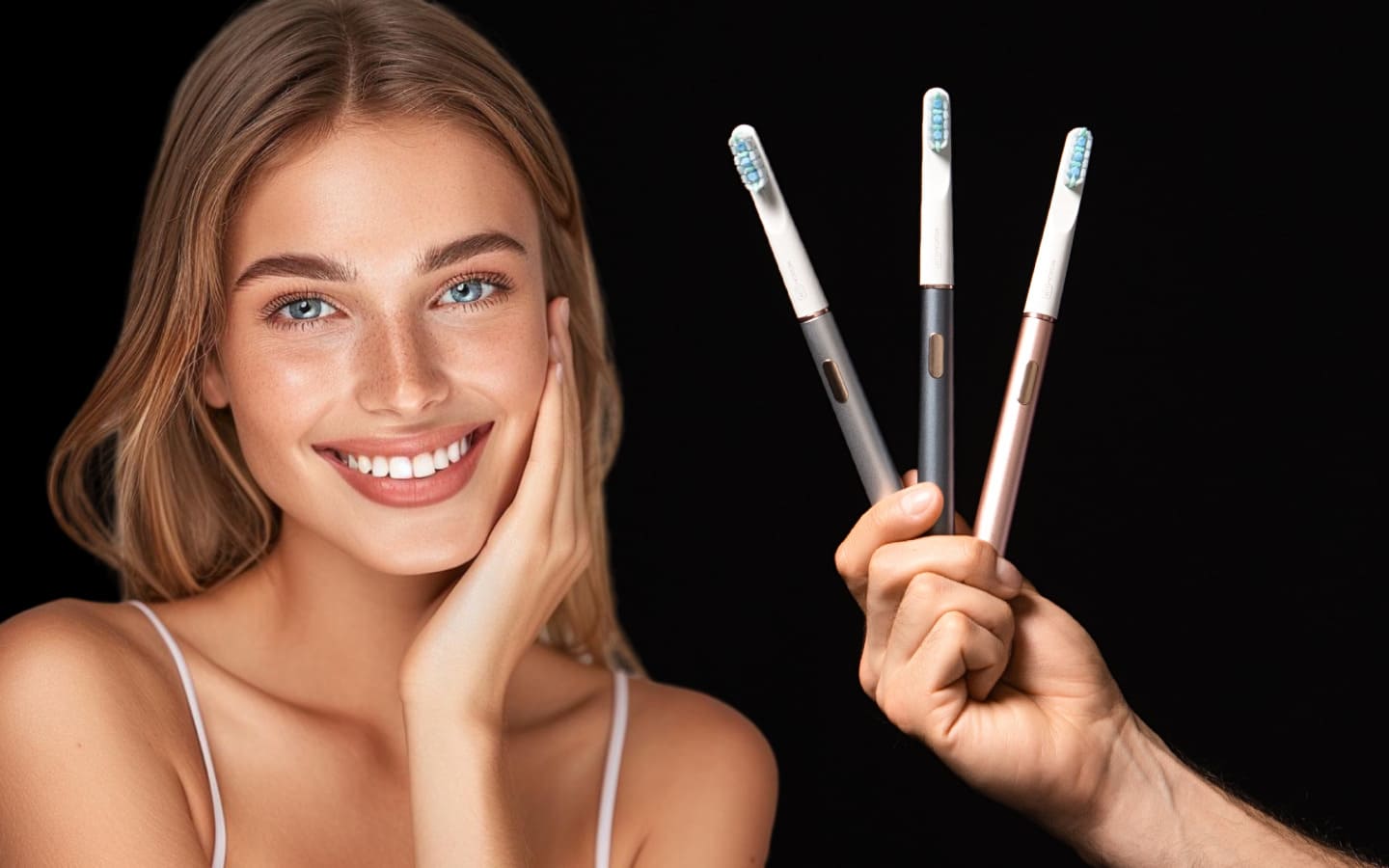
Specifications such as 30,000 or 40,000 movements per minute may sound impressive, but they should not be your only buying criterion.
The features that affect everyday use are usually more important.
A standard daily-cleaning mode is enough for many people.
A gentler or sensitive mode can be useful if the normal intensity feels uncomfortable.
Additional whitening, polishing or massage modes can be convenient, but only if they match how you actually plan to use the toothbrush.
You buy the toothbrush handle once, but you will need replacement heads regularly.
Before buying, check:
A timer is one of the simplest but most useful features on an electric toothbrush.
It can help you avoid brushing for only 30 or 60 seconds without realising it. Interval reminders can also encourage you to divide the mouth into sections and clean them more evenly.
Harder does not mean cleaner.
For daily brushing, comfort and the ability to clean around the gumline without excessive pressure are more important than choosing very stiff bristles.
Long battery life can be particularly useful if you travel frequently or do not want to keep a charger permanently in the bathroom.
If your toothbrush spends most of its life next to a charger, extremely long battery life may be less important.
A water-resistant body makes it easier to rinse and clean the toothbrush after use.
If you travel regularly, a protective case and convenient USB charging may matter more than an additional brushing program.
Not necessarily.
If you use only one setting every morning and evening, having ten other programs will not improve your brushing.
For most users, the genuinely useful features are relatively simple:
Technology should make good oral-hygiene habits easier, not make your bathroom routine more complicated.
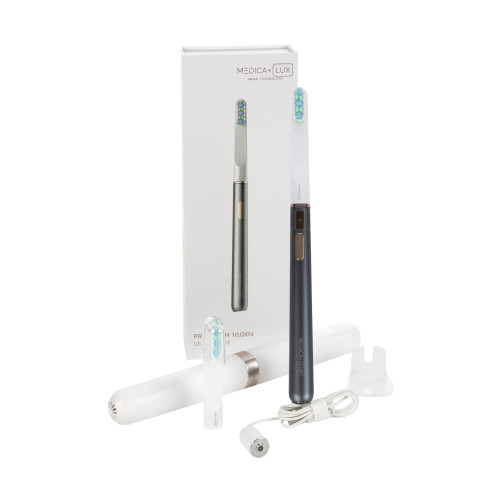
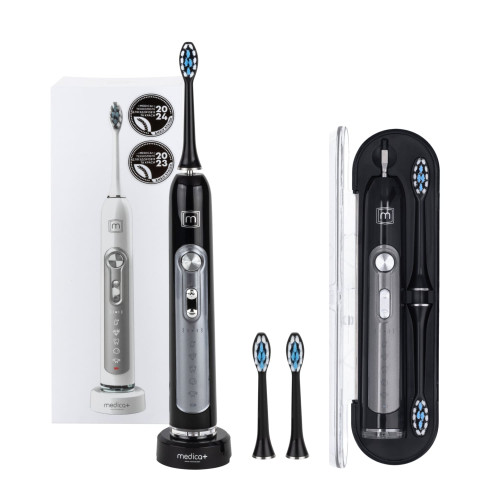
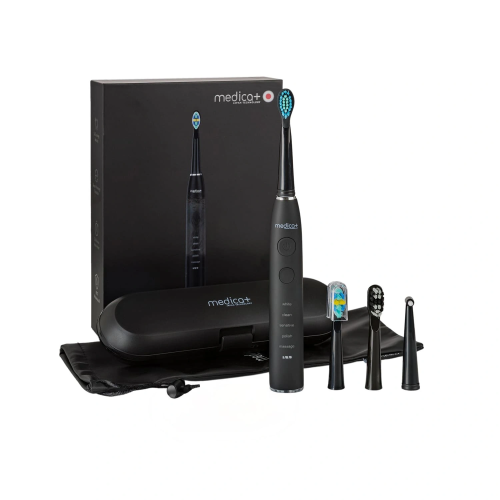
If you are looking for a model that combines several everyday features without making the routine unnecessarily complicated, one option is the MEDICA+ PROBRUSH 8.0 Black.
The model offers:
The point is not that every user needs all five modes. Someone with sensitive gums may care most about the Sensitive setting and soft bristles, while a frequent traveller may value battery life and the travel case more.
You can compare this model with other options in the MEDICA+ electric and sonic toothbrush range.
A toothbrush can help remove some surface stains caused by coffee, tea, tobacco and strongly pigmented foods.
As these deposits are reduced, the teeth may look cleaner and somewhat brighter.
That is different from true tooth whitening, which changes the colour of the tooth structure itself.
A mode labelled “White” or “Polish” should therefore be understood mainly as a surface-cleaning or polishing mode — not as a replacement for professional or peroxide-based whitening.
No toothbrush can reliably remove established, mineralised tartar at home.
Regular brushing helps remove soft dental plaque before it has time to mineralise, which is one reason consistent oral hygiene matters.
Once deposits have hardened into tartar or calculus, they usually need professional removal by a dentist or dental hygienist.
Having a crown, implant or veneer does not automatically mean you need to avoid an electric or sonic toothbrush.
In fact, good plaque control around restorations and implants is particularly important.
However, the correct brush head, intensity and cleaning technique may depend on your individual dental work.
If you have implants, extensive restorations, orthodontic appliances or have recently undergone dental surgery, ask your dentist or dental hygienist how they recommend cleaning the area.
Yes. Sonic toothbrushes are designed for regular daily brushing when used according to the manufacturer's instructions.
For most people, the key principles remain the same regardless of toothbrush type:
One of the most common mistakes after switching from a manual toothbrush is continuing to scrub aggressively with the hand.
Instead:
The motor provides the rapid bristle movement, but you still need to position the brush correctly.
No.
A toothbrush primarily cleans exposed tooth surfaces. The areas between neighbouring teeth still require additional interdental cleaning.
Depending on your dental anatomy and your dentist's recommendation, you may use:
If you are interested in adding water-based interdental cleaning to your routine, you can compare MEDICA+ oral irrigators.
People with braces, implants, bridges or larger interdental spaces may benefit particularly from discussing the best combination of tools with a dental professional.
A new toothbrush is not automatically an upgrade if your current routine is already working well.
You may not need to switch if you:
Buying new technology simply because it is newer is not the goal. The goal is a routine that you can perform correctly every day.
For many people, yes. A sonic toothbrush can make brushing more consistent by providing rapid bristle movement, a timer and convenient intensity settings. However, a manual toothbrush can also work well when used correctly.
A sonic toothbrush is already a type of electric toothbrush. The usual comparison is between sonic models and oscillating-rotating electric brushes. Both can be effective, and the better choice depends on technique, comfort and personal preference.
Powered toothbrushes can make effective brushing easier for many people, especially when technique or brushing time is inconsistent. However, no toothbrush can compensate for poor technique or skipped interdental cleaning.
It can be, especially when the model offers a gentle mode and soft brush head. Persistent gum bleeding, pain or swelling should still be checked by a dental professional.
No. It can help remove soft plaque, but established tartar generally requires professional scaling.
It may remove some surface stains and make teeth look cleaner or brighter. It does not change the natural colour of the tooth in the same way as chemical whitening.
In many cases, yes. The appropriate technique and brush head depend on your individual dental situation, especially after recent treatment or surgery.
It is designed for regular daily brushing, typically twice a day according to your dentist's recommendations and the device instructions.
Yes. Sonic brushing does not replace interdental cleaning. Floss, interdental brushes or an appropriate oral irrigator may still be needed to clean between teeth.
Around two minutes is a common recommendation for adults. Many electric toothbrushes include a built-in timer to make this easier.
A sonic toothbrush is not essential for having healthy teeth, but it can make a good oral-hygiene routine easier to maintain.
Its biggest advantage is not simply the number of movements per minute. The combination of automated bristle movement, a timer, comfortable brush heads and adjustable intensity can help many people brush more consistently and with less unnecessary scrubbing.
When choosing a model, focus less on which toothbrush has the longest specification list and more on which one will help you brush thoroughly and comfortably every morning and evening.
You can compare different designs, modes and features in the MEDICA+ electric and sonic toothbrush range.
Японские технологии,
которые превышают ожидания
На первую покупку