

Cart
Your shopping cart is empty!
It's never too late to make things right :)


Copied
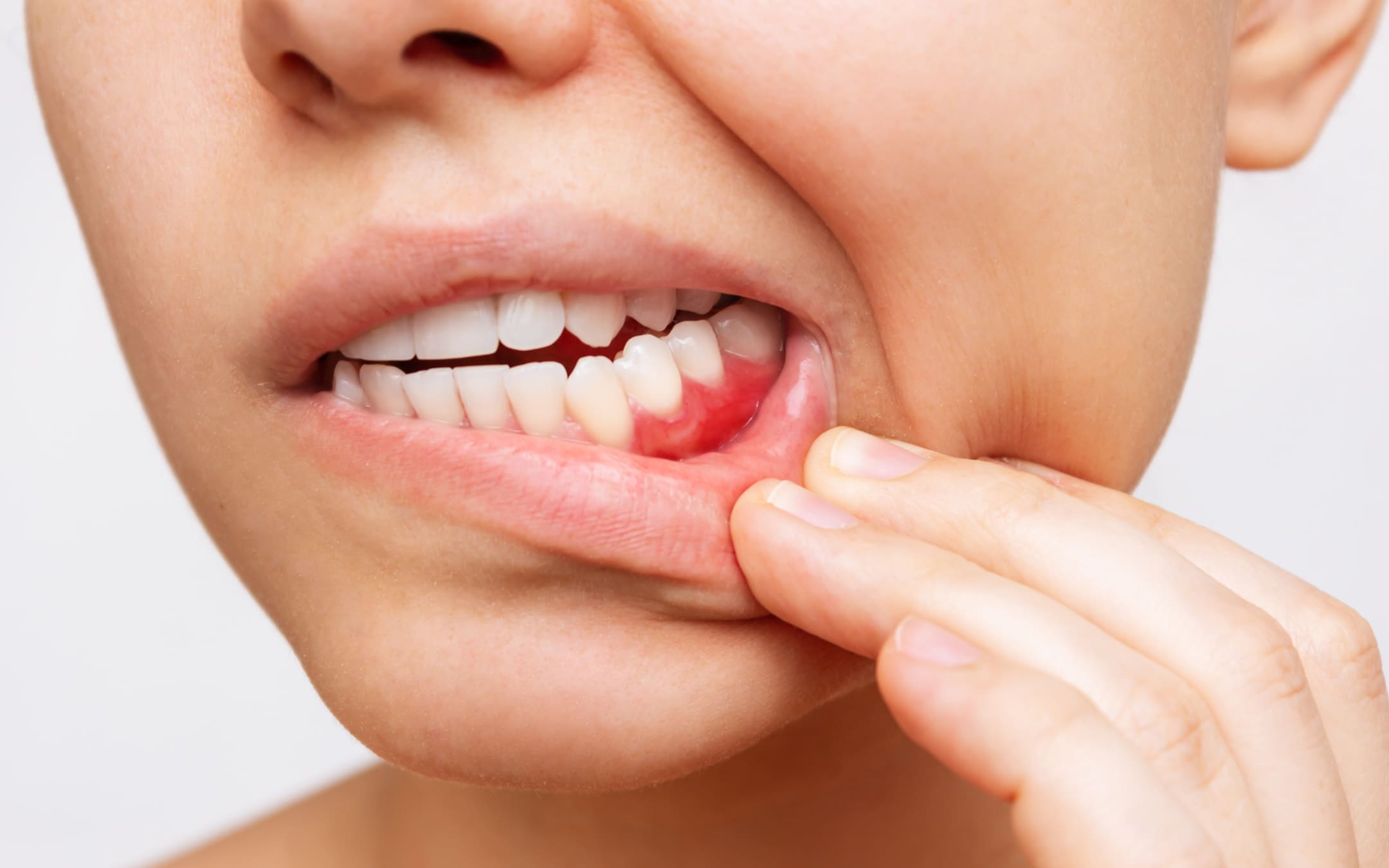
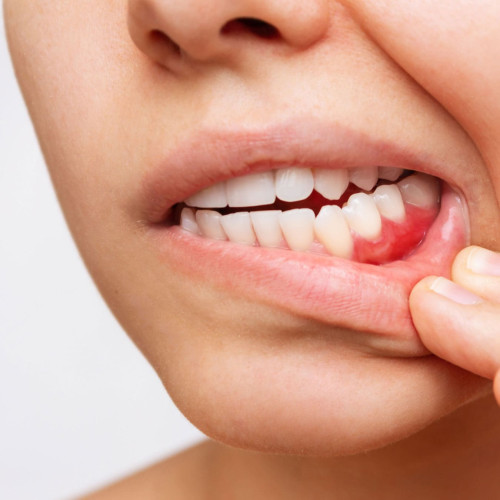
When your gums bleed while brushing, or you experience a burning sensation or painful sensitivity, your hand instinctively reduces the pressure, and the quality of cleaning decreases. As a result, plaque builds up faster, inflammation worsens, and the cycle continues.
That is precisely why the question “Which toothbrush is better for sensitive gums—electric, sonic, or ultrasonic?” consistently ranks among the top searches. In this article, we’ll explain step by step: why gums become sensitive, how ultrasound works, who benefits from an ultrasonic toothbrush, and which MEDICA+ models are worth considering.
Go directly to the category: ultrasonic toothbrushes.
Most often, the cause is not “weak gums,” but a combination of several factors: mechanical irritation + bacterial plaque + weakening of the mucosal barrier.
The most common causes of gum sensitivity:
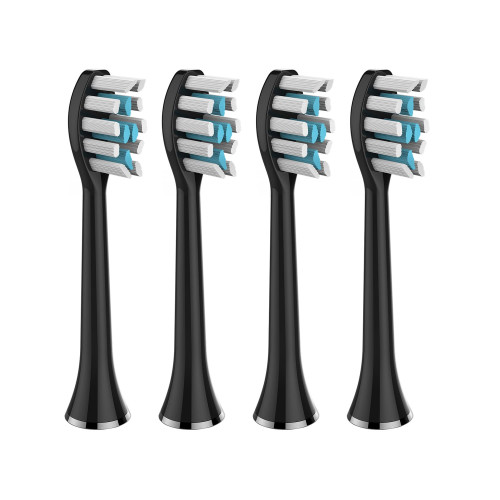
By the way, worn toothbrush bristles are one of the most underestimated causes of discomfort. We explain why they should be replaced every 3 months in the article “Why toothbrush heads should be replaced every 3 months”.
There is a myth that every electric toothbrush is “aggressive.” In reality, it all depends on the technology and operating modes.
If your gums react with pain or bleeding, then an ultrasonic toothbrush is often the most comfortable step toward high-quality daily cleaning.
The principle is simple: the toothbrush generates high-frequency ultrasonic vibrations, which help break down bacterial plaque and tartar, including in areas that regular toothbrush bristles struggle to reach.
What this means in practice:
Important: if bleeding is severe or persistent — it is advisable to consult a dentist at the same time to rule out an active inflammatory process.
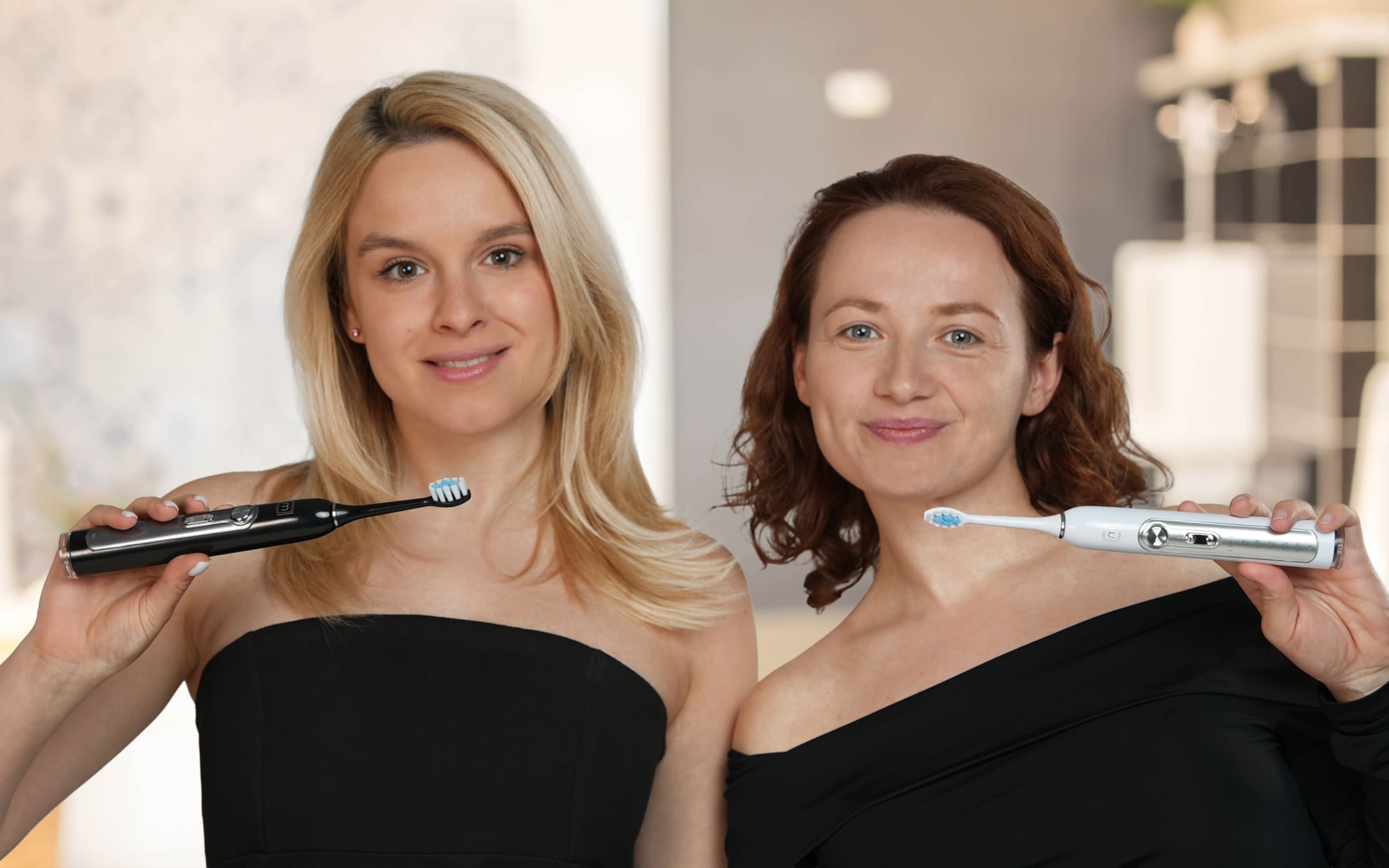
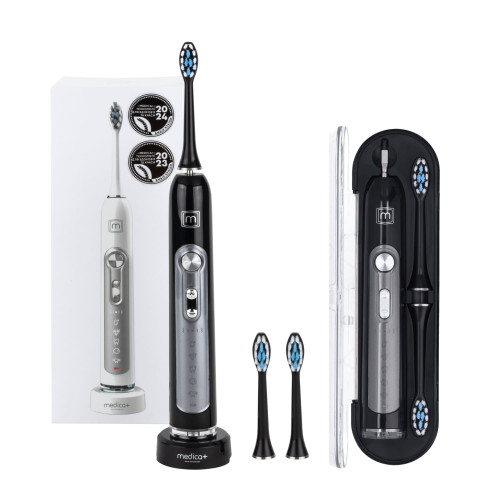
Model MEDICA+ PROBRUSH 9.0 was designed with comfort in mind: for people with sensitive gums and a tendency to bleed.
Advantages of the PROBRUSH 9.0:
In fact, this is a toothbrush that helps you care for your teeth without worrying about gum injury, but with a feeling of cleanliness “just like after a professional cleaning.”
Not everyone needs ultrasonic technology—sometimes another format may be more convenient. Here are two options that are often chosen depending on individual needs:
And if you want to browse all models — here’s the category: MEDICA+ ultrasonic toothbrushes.
The main rule — don’t press down. The ultrasonic vibrations do the work, and excessive pressure is the quickest way to cause irritation.
Quick guide:
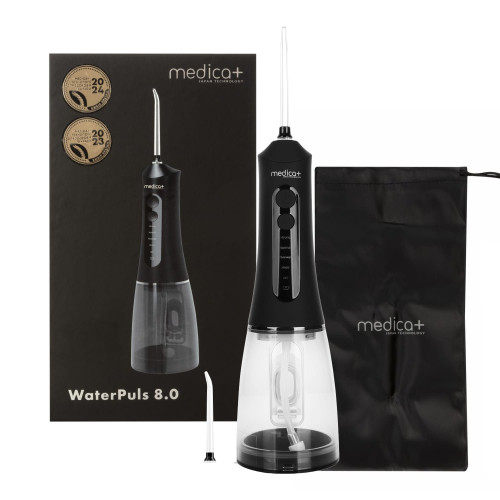
Even the best toothbrush cannot guarantee 100% cleanliness in the spaces between your teeth and along the gum line. If you want to truly improve your oral hygiene at home, consider using a water flosser.
For more information, see the article: “Oral Irrigators: Why They Are an Important Part of Oral Hygiene” — there, we explain how an irrigator complements a toothbrush and helps maintain gum health.
Sensitive gums are a sign that your oral care routine should be gentler, but at the same time more systematic. An ultrasonic toothbrush can be the perfect compromise: gentle, comfortable, yet effective.
MEDICA+ PROBRUSH 9.0 combines ultrasonic technology, various modes, and soft brush heads—making it suitable for daily care even with increased sensitivity.
When brushing your teeth stops being a “challenge,” the fear of discomfort disappears—and your smile becomes healthier, cleaner, and more confident.

Японские технологии,
которые превышают ожидания
На первую покупку