



Cart
Your shopping cart is empty!
It's never too late to make things right :)


Copied
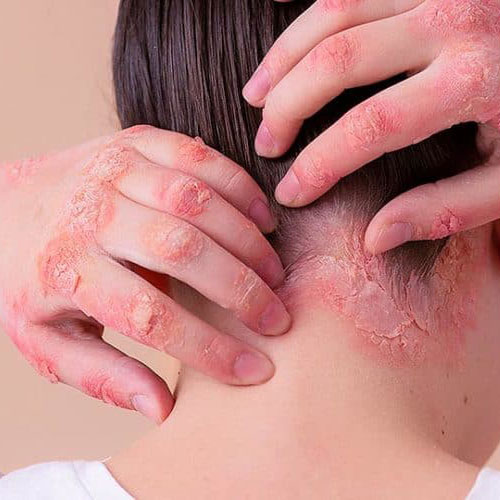
Seborrheic dermatitis is a condition that affects 1 to 3 percent of the global population. Seborrheic dermatitis on the face most commonly occurs in newborns, teenagers, and adults aged 30–60.
To treat this condition, a comprehensive approach involving several methods is used. For each person, a dermatologist selects an individual treatment regimen depending on the causes of the condition. To treat seborrheic dermatitis on the face, the following are used:
Later in this article, we will discuss how to cure seborrheic dermatitis permanently and whether this is even possible. Which methods are effective, and what should be avoided during treatment?
The first step in treating seborrheic dermatitis on the face is to visit a qualified dermatologist. The specialist will order tests and refer the patient for consultations with a gastroenterologist, endocrinologist, and neurologist. Based on the results of all tests and the doctors’ opinions, the dermatologist will determine a treatment plan.
The second step is maintaining good hygiene. In the case of seborrheic dermatitis on the face, it is recommended to avoid washing the face with water. It is better to use special cleansers, lotions, or toners to cleanse the skin.
The third step is to strictly follow the recommended treatment and take all medications exactly as prescribed. Under no circumstances should you skip your skincare routine. Be sure to alternate between antifungal and anti-inflammatory treatments.
Step four – eliminate all harmful foods from your diet. Even if the cause of seborrheic dermatitis on your face is not related to gastrointestinal issues, stick to a healthy, balanced diet.
Step five – reduce stress levels. Balance work and rest, and regulate your sleep. It is also advisable to avoid situations that make you nervous or anxious.
Note: the more severe the seborrhea, the gentler and more delicate the treatment should be.
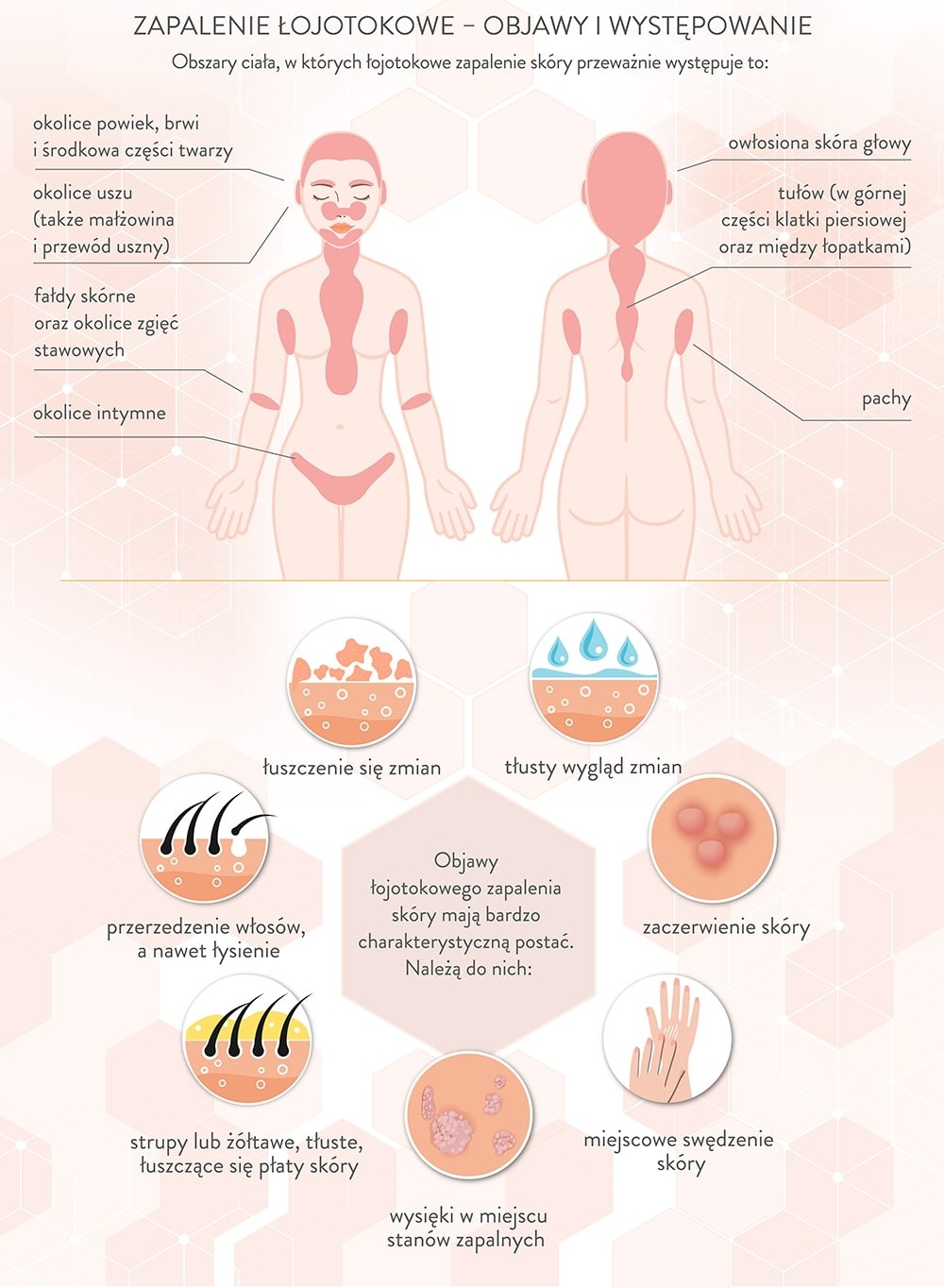
Seborrheic dermatitis occurs when the body loses its ability to regulate the properties and amount of sebum, and an excess or deficiency of sebum leads to the development of a fungal skin infection. On the face, seborrheic dermatitis manifests as follows:
Seborrhea usually appears in the nasolabial triangle area, on the forehead, and on the bridge of the nose. Its causes can be both internal and external. Internal causes include:
External causes include:
It is worth noting that facial seborrhea is a chronic condition. It cannot be cured; one can only prolong the period of remission.
In the case of seborrheic dermatitis, not only the rash itself but also its underlying cause must be treated. Ointments and liquid preparations are used for topical application. Their composition should include:
To prevent the fungus from multiplying on the skin, pharmacological treatment is recommended. Both antibiotics and antifungal medications are used. To boost immunity, a course of vitamins A, B, C, and E is prescribed. Antihistamines are necessary to relieve itching and treat allergies.
When the condition is caused by gastrointestinal disorders, doctors prescribe enterosorbents and enzymes. Additionally, a special diet is developed for the patient, which excludes fatty, sweet, spicy, and smoked foods. During treatment, it is recommended to consume more leafy greens, vegetables, and fruits.
If stress is the cause of seborrheic dermatitis on the face, sedatives are prescribed. The patient is also helped to normalize their sleep, and more walks in the fresh air are recommended. In some cases, engaging in sports may be recommended.
Apparatus-based and injection methods are also used to treat seborrheic dermatitis. Injection methods include mesotherapy and plasma therapy. They help accelerate cell regeneration and eliminate the rash.

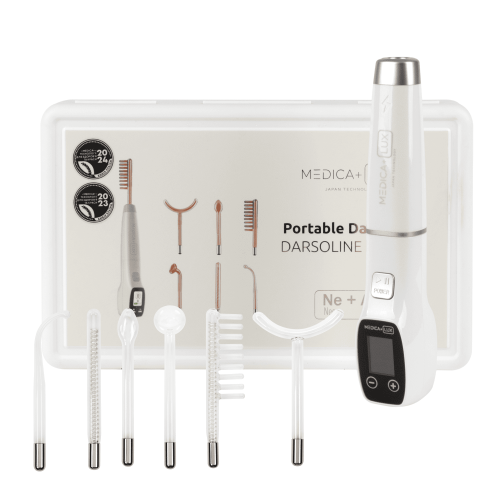
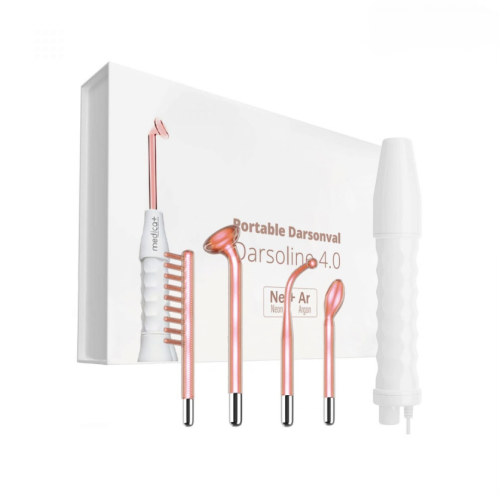
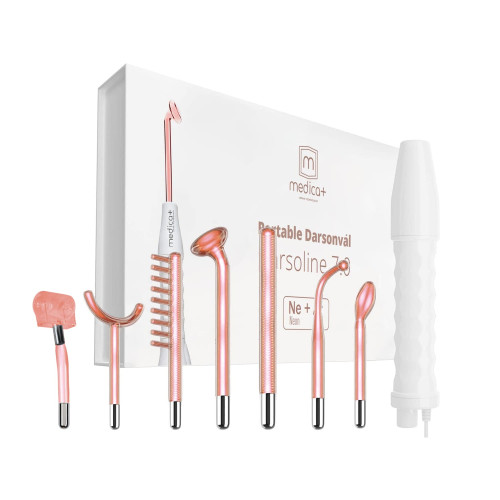
Device-based methods include darsonvalization. Darsonval treats affected skin with low-intensity current, thereby improving blood circulation and soothing irritation. Laser correction can also be used to reduce inflammation. Skin care devices and other medical devices can be purchased at the Medica+ online store.
Many patients turn to folk remedies. Not only does this fail to produce lasting results, but such an approach can even harm the skin. Therefore, seborrheic dermatitis of the face should be treated exclusively by a qualified dermatologist, strictly following the doctor’s recommendations.

Японские технологии,
которые превышают ожидания
На первую покупку


