

Cart
Your shopping cart is empty!
It's never too late to make things right :)


Copied
Oral hygiene is essential for maintaining healthy teeth, gums, and a healthy mouth.
Brushing teeth is a daily ritual for everyone, but not everyone follows all the steps of proper oral hygiene. In this article, we will discuss how to properly care for your teeth, brushing techniques and guidelines for adults and children, as well as habits to avoid in order to maintain a healthy smile.
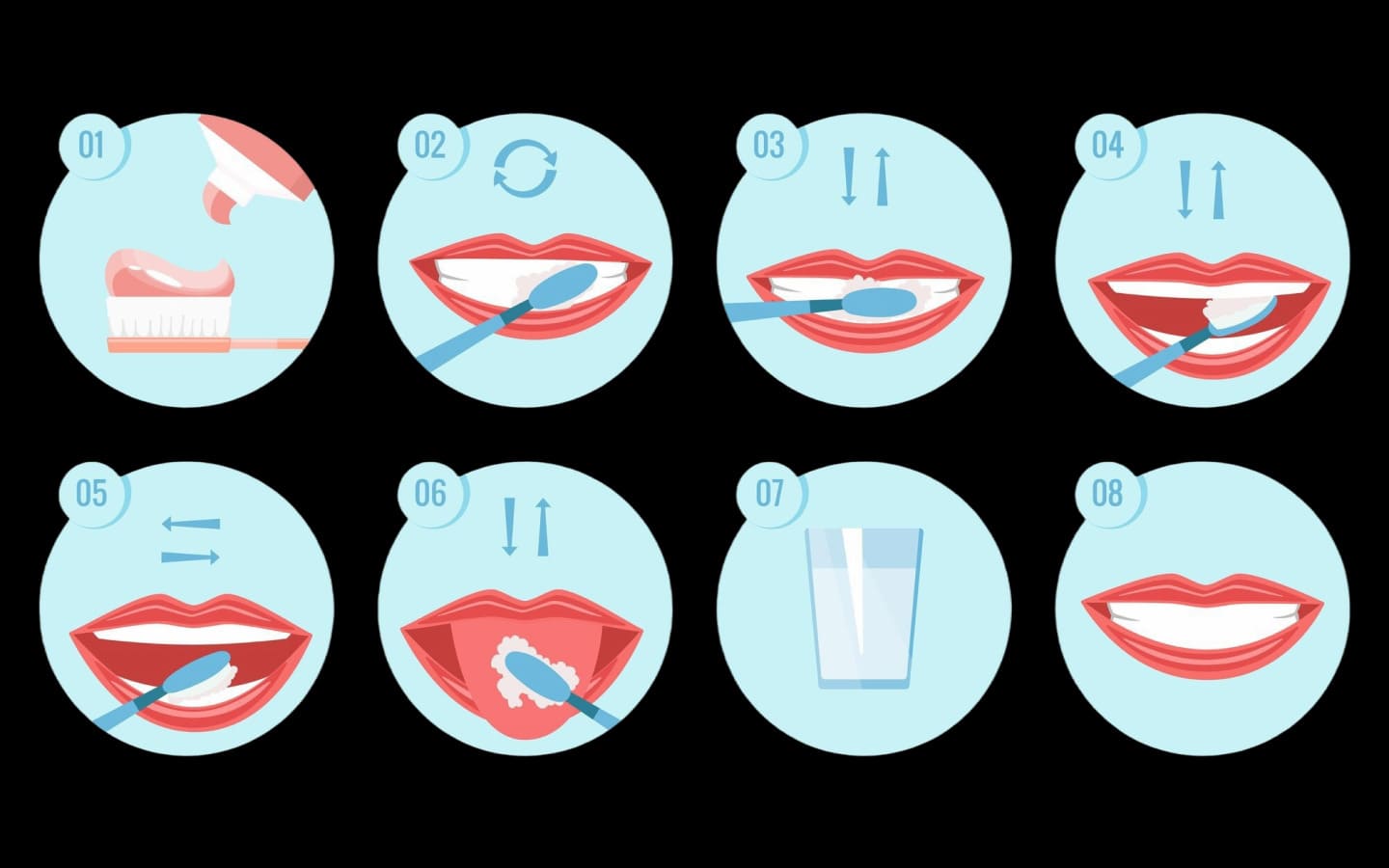
The correct toothbrushing procedure consists of the following steps:
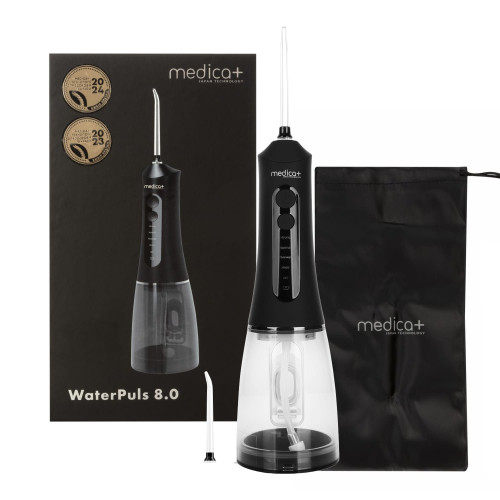
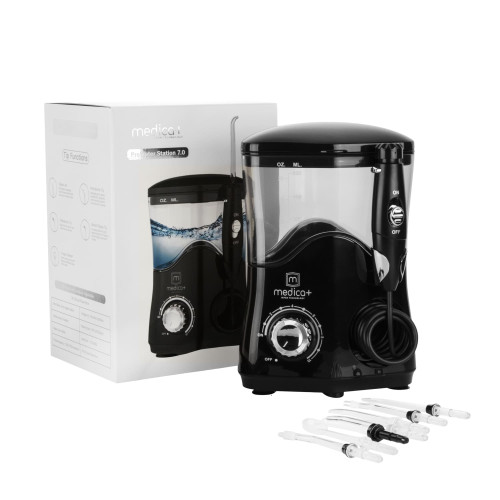
In addition to basic care, dentists recommend using oral irrigators. They should be used after brushing your teeth twice a day. Stationary water flossers are convenient to use at home, especially if you have a large family, and portable irrigators are convenient and easy to transport.
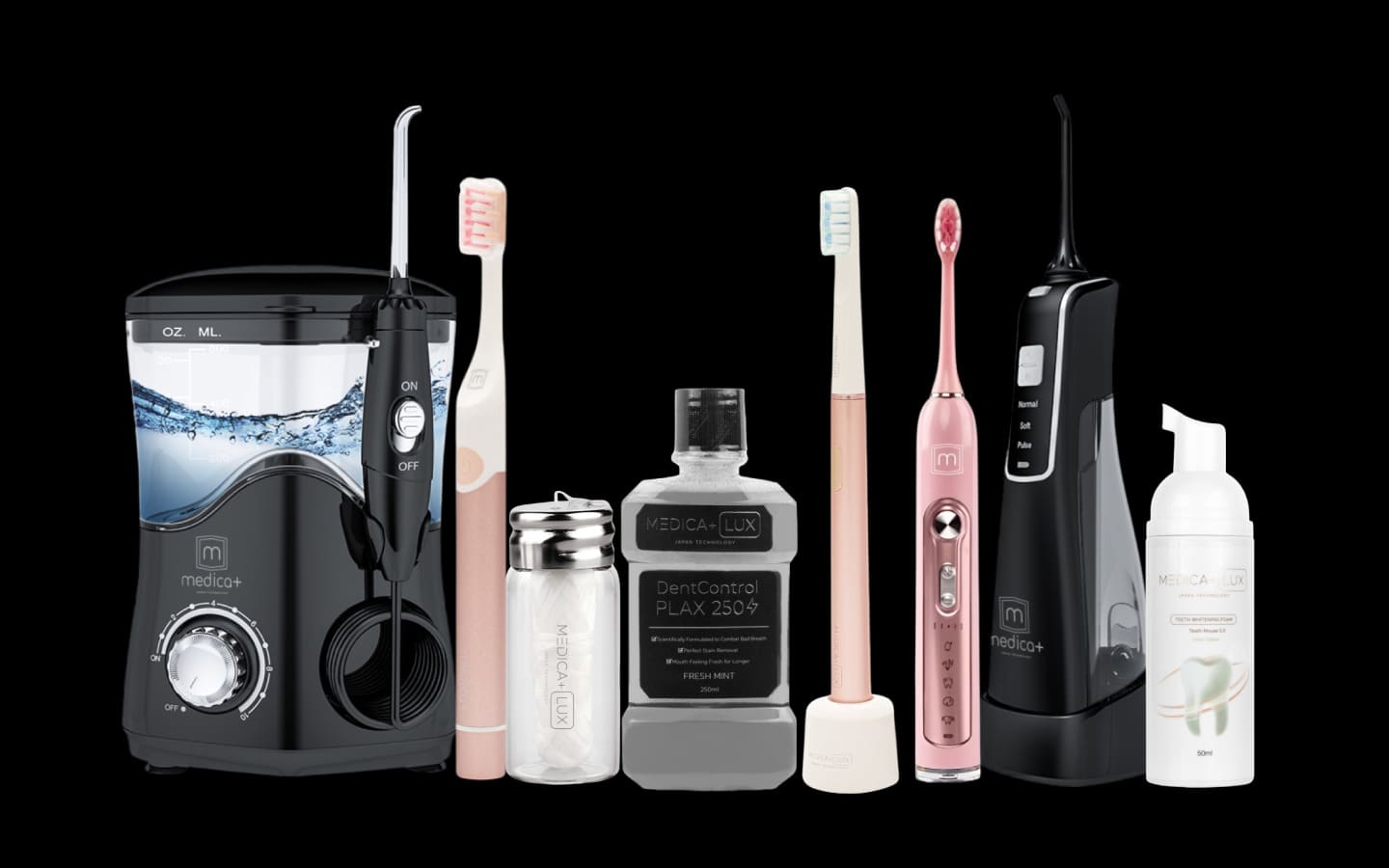
Let’s take a look at the types of dental cleaning products.
The basic tools include: On our Medica+ website, in the dental care products category, you can choose all of the tools listed above, ensuring proper and effective hygiene.
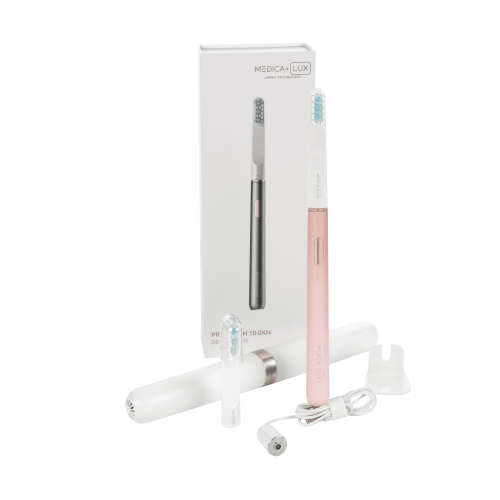
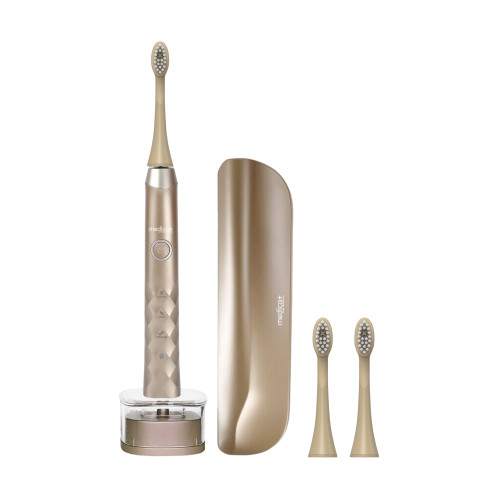
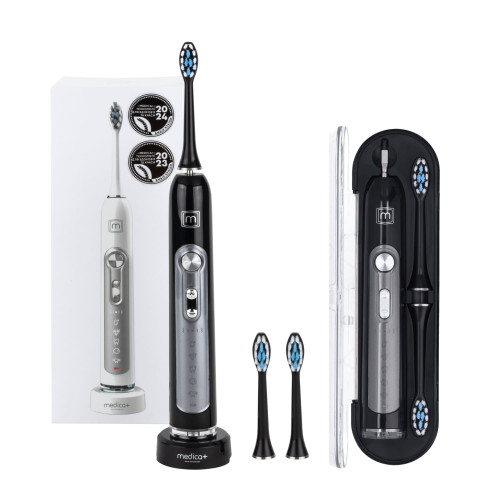
Toothbrushes. They are divided into classic, electric, and ultrasonic types. The bristles can be natural or synthetic. In terms of hardness, they are classified as: extra-hard, hard, medium, soft, and extra-soft. Bristle orientation – angled, tufted, and multi-level
Toothpastes. Universal, therapeutic-preventive, fluoride, whitening, and children’s toothpastes.Dental floss (flossers)Oral irrigatorsMouthwashes, sprays, elixirs, concentrates, and foams.

If you notice blood while brushing your teeth, it may mean that the bristles of your toothbrush are too hard for you or that your brushing technique is too aggressive.
The rules for brushing children’s teeth are slightly different: the upper teeth are brushed from top to bottom, from the gums to the edges, and the lower teeth in the opposite direction—from bottom to top. Use sweeping motions to effectively remove plaque from the surface of the teeth. Proper toothbrushing technique will protect the enamel from damage and wedge-shaped cavities.
In the home medical equipment category, you can choose any device for adults and children that will help you maintain your health and beauty without leaving home.

Японские технологии,
которые превышают ожидания
На первую покупку