

Cart
Your shopping cart is empty!
It's never too late to make things right :)


Copied
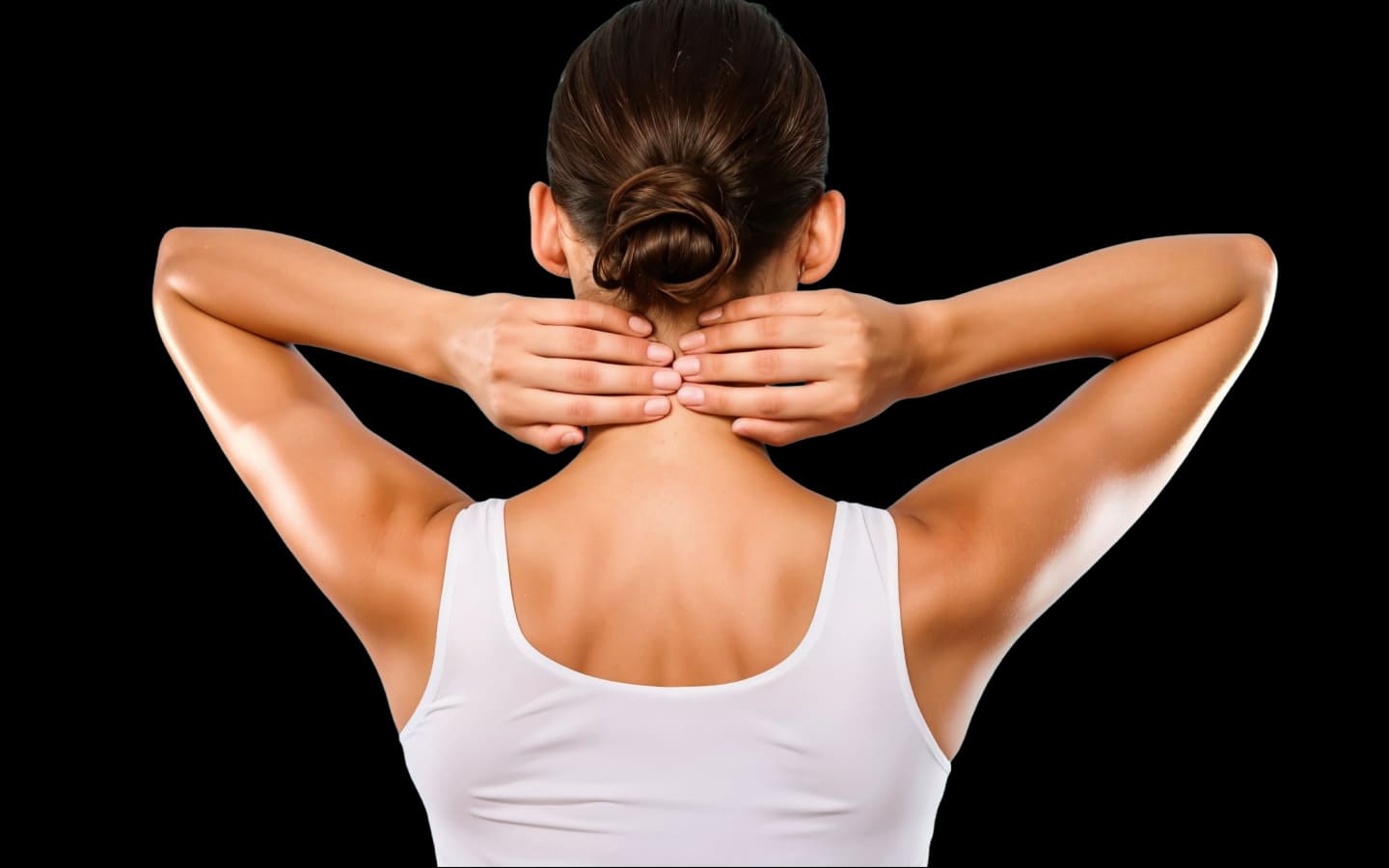
Self-massage is an effective way to relieve muscle tension, improve blood circulation, and restore a feeling of lightness. It is particularly useful for people who spend a lot of time in front of a computer or are actively involved in sports. In this article, you’ll learn how to properly perform trigger point massage, what products work best, and how to choose the right accessories for at-home treatment. The tips are simple, and you’ll feel the results after just one session.
Trigger points are areas in the muscles where spasms and knots form. They cause pain that can “radiate” to other parts of the body. Causes:
Self-massage helps “release” these points, restore muscle tone, and improve mobility. Proper technique ensures effective recovery.
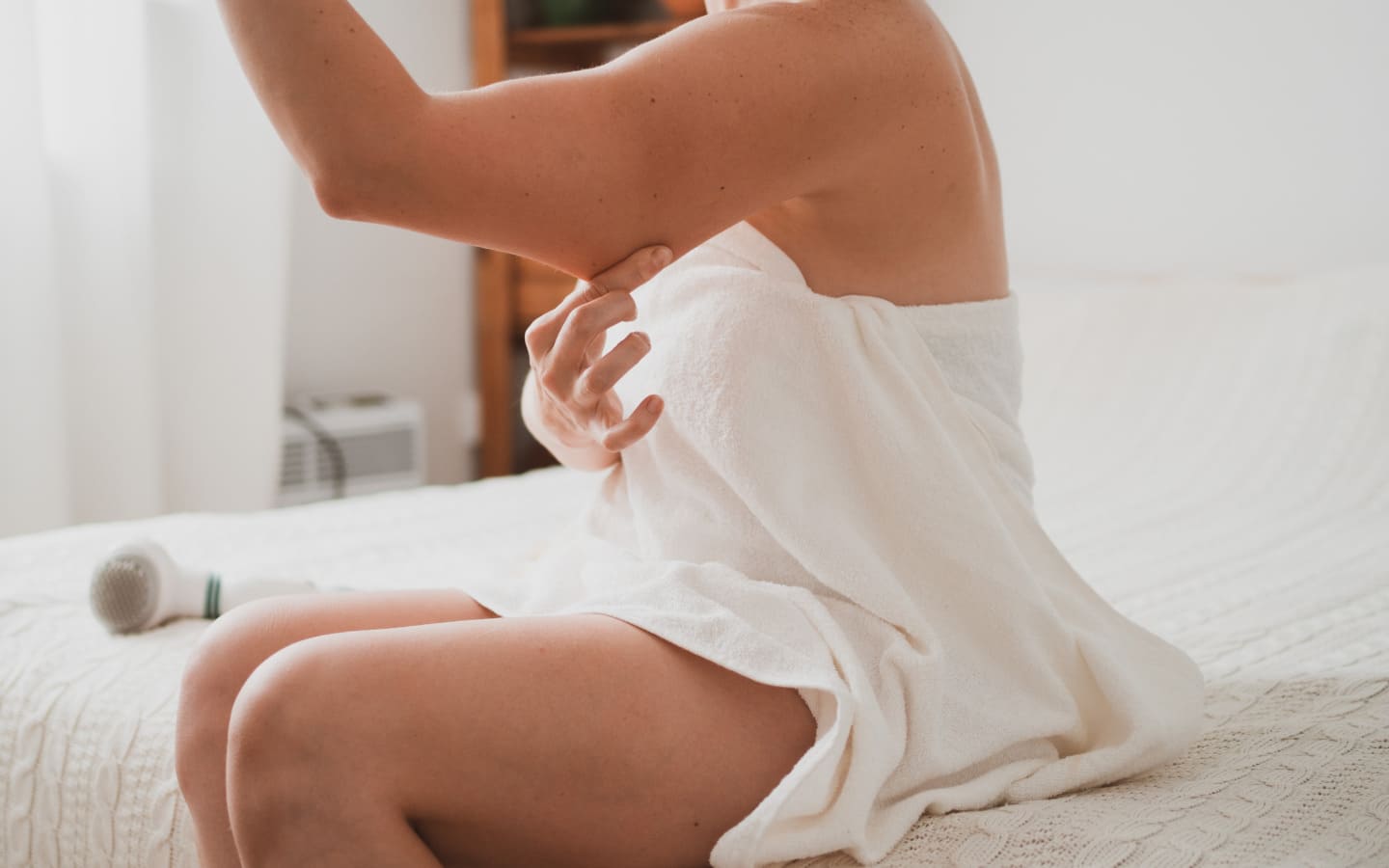
Before you begin, it is important to know the rules of self-massage:
These self-massage basics are suitable for both beginners and experienced users.

Even 5 minutes of self-massage after a busy day can work wonders. Depending on the situation, choose the appropriate option:
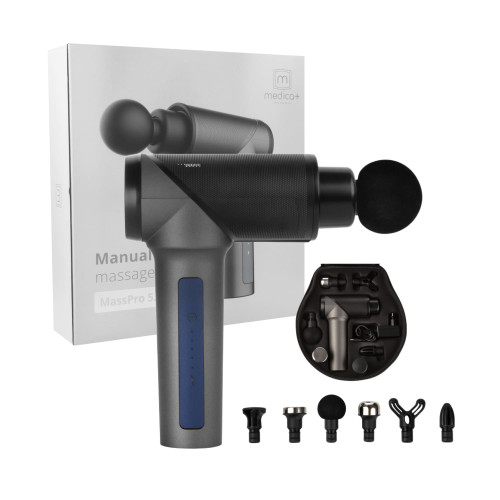
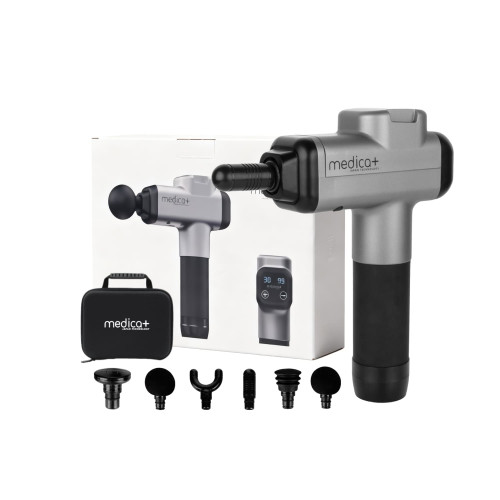
For better results, it is recommended to use self-massage tools, such as percussion massagers or foam rollers.
Self-massage for health isn’t a one-time activity, but part of self-care. Here are 5 steps to forming a new habit:
These simple self-massage exercises will help quickly relieve fatigue and improve your overall well-being.

Fortunately, modern technology allows you to take care of your body without visiting a massage therapist. If you want your self-massage to be as effective as possible, consider using special devices.
Even more useful devices — in our home medical equipment category: here you’ll find everything from multifunctional massagers to health monitoring devices. It’s a true self-care hub without leaving your home.
We recommend choosing several devices: for example, one for the back and another for the legs, to comprehensively meet your body care needs.
Remember that relaxing self-massage isn’t just about comfort, but also effective muscle recovery. You are your own best therapist. All you need is a little time, knowledge, and the right tools.
Choose your option: manual techniques, anti-cellulite massagers, percussion models, or home medical equipment—you’ll find it all in our online store.
Японские технологии,
которые превышают ожидания
На первую покупку