

Cart
Your shopping cart is empty!
It's never too late to make things right :)


Copied
Healthcare technology is moving beyond hospitals and clinics. Devices are becoming smaller, smarter and easier to use, while rehabilitation, personal health monitoring and wellness technologies are increasingly entering everyday life.
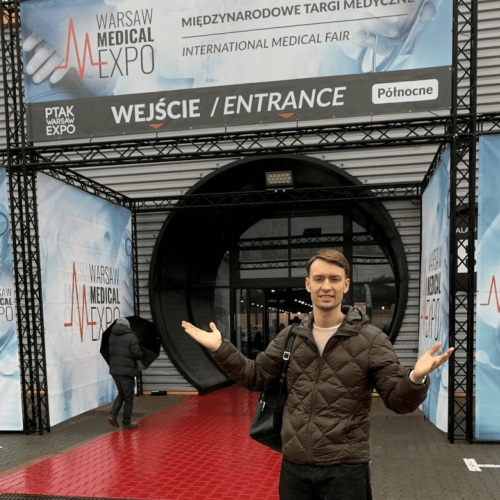
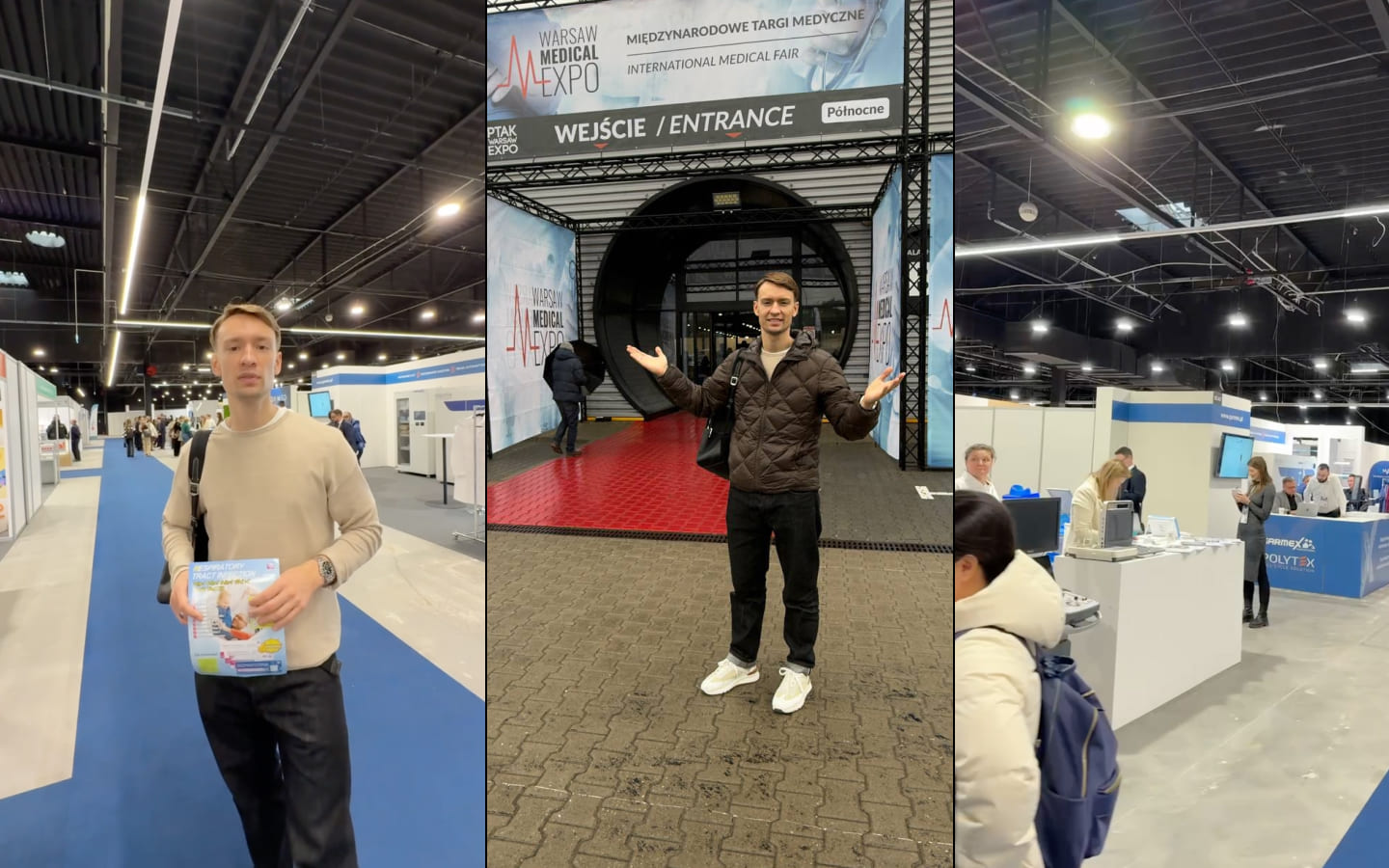
This shift was clearly visible at Warsaw Medical Expo 2025, an international medical trade fair bringing together manufacturers, distributors, healthcare professionals and technology companies.
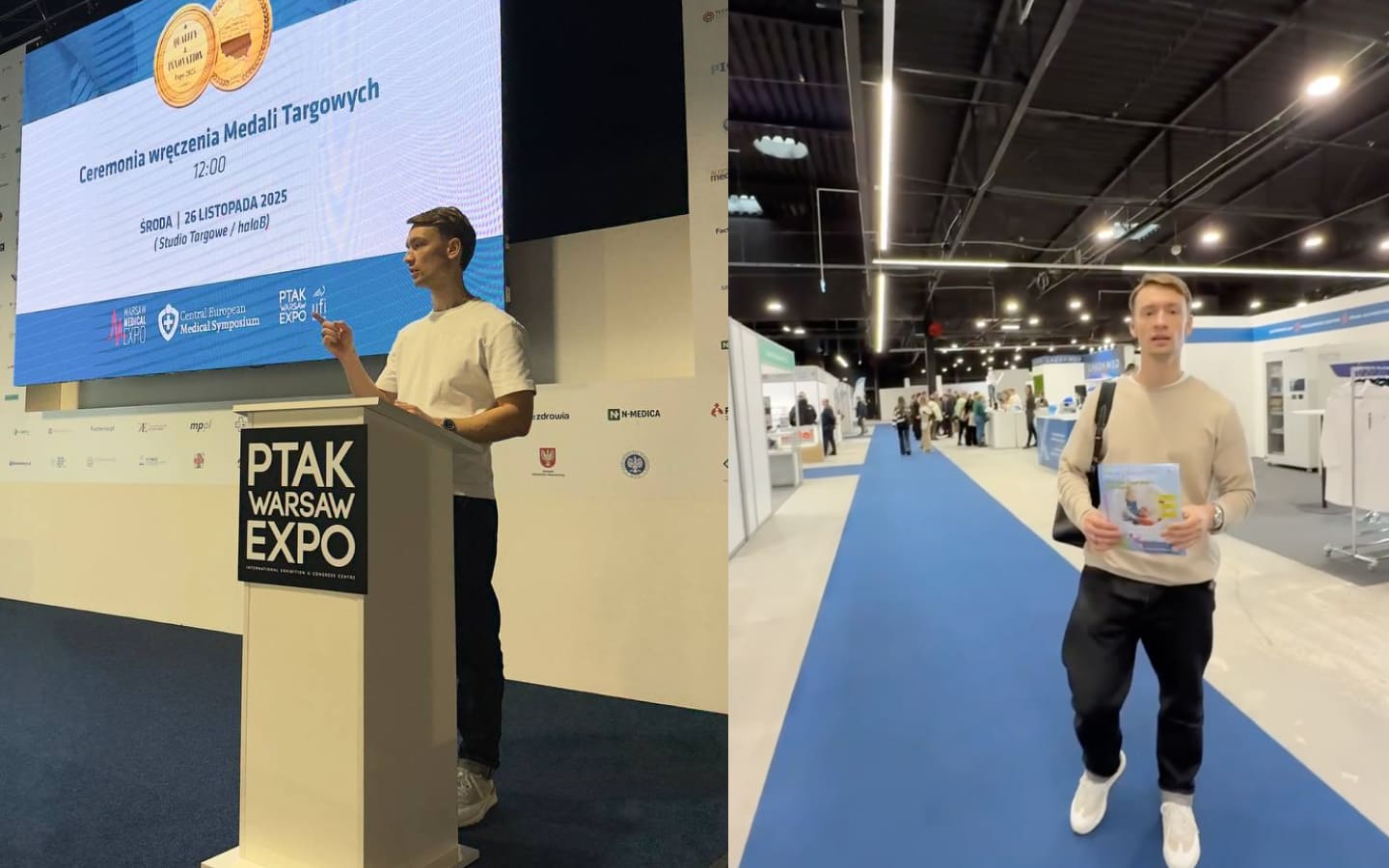
The event was also visited by MEDICA+ CEO Aleksander Kapitanski to explore new technologies, speak with industry representatives and observe where the medical, rehabilitation and health-tech markets are heading.
For MEDICA+, events like this are not only about discovering new devices. They help answer a broader question: which professional technologies are likely to become relevant, practical and accessible for everyday home use?
Warsaw Medical Expo is an international trade fair focused on medical technology, healthcare equipment and solutions for modern medical practice.
The event brings together different areas of the healthcare industry, including:
The 2025 edition took place at Ptak Warsaw Expo on 25–27 November.
For MEDICA+, this type of event is particularly relevant because many technologies that begin in professional healthcare or rehabilitation eventually influence the way consumer devices are designed.
The line between professional technology and home-use devices is becoming less clear.
This does not mean that a consumer device should replace professional treatment. Instead, technologies originally associated with clinics are increasingly inspiring simpler solutions designed for regular personal use.
We already see this across several categories:
For brands working in health-tech and beauty-tech, understanding developments in the professional market helps identify which technologies have long-term potential and which are simply short-lived trends.
Rehabilitation and physiotherapy remain major areas of innovation.
Technologies related to muscle stimulation, neuromuscular activation and assisted recovery are increasingly being designed in more compact and portable formats.
This reflects a broader shift: rehabilitation does not always need to be limited to large stationary systems.
For MEDICA+, this area is particularly interesting because it overlaps with technologies already used in massage devices, EMS systems and products designed to support everyday recovery routines.
Digital health was another strong direction.
Healthcare is increasingly combining physical devices with software, remote monitoring and better access to personal health information.
This changes how people interact with technology.
The value of a device is no longer determined only by what it does. Users increasingly expect clear feedback, understandable information and greater control over how they use it.
This principle is becoming important not only in medical technology, but across the wider health-tech and wellness markets.
One of the most important developments is the continued growth of personal and home-use devices.
Consumers increasingly want technologies that are:
This applies to recovery, rehabilitation, personal care, wellness and beauty technology.
The goal is not to recreate a medical clinic at home. It is to make appropriate technologies more practical for everyday life.
Performance alone is no longer enough.
Manufacturers are paying increasing attention to the way devices interact with the user and how incorrect operation can be reduced.
This includes:
The same principle is increasingly important in consumer wellness and beauty devices.
A useful technology should not only perform a function. It should also make correct use as intuitive and predictable as possible.
Another visible shift is a broader understanding of health and recovery.
Instead of looking at a single device or treatment in isolation, the market is increasingly thinking in terms of routines.
Recovery, sleep, movement, skincare, stress management and lifestyle habits are interconnected.
This has important implications for wellness brands.
A massage device, LED mask or recovery tool is rarely the entire solution. Its value depends on how naturally it fits into a person's wider routine.
For MEDICA+, this means looking beyond individual specifications and thinking about how products are actually used in everyday life.
Many technology companies are gradually moving away from selling isolated pieces of equipment.
A more complete model looks like this:
This approach is becoming increasingly relevant in consumer health-tech and beauty-tech as well.
People do not only need a device. They need to understand what it does, when to use it and how it fits into their goals.
One of the strongest conclusions from the event was the growing importance of user education.
Advanced technology becomes much less valuable if the user does not understand how to use it correctly.
This is especially important for devices designed for independent home use.
The market is gradually moving away from communication based only on dramatic promises and “miracle device” claims.
Clear instructions, realistic expectations, safety information and understandable explanations of the technology are becoming part of the product itself.
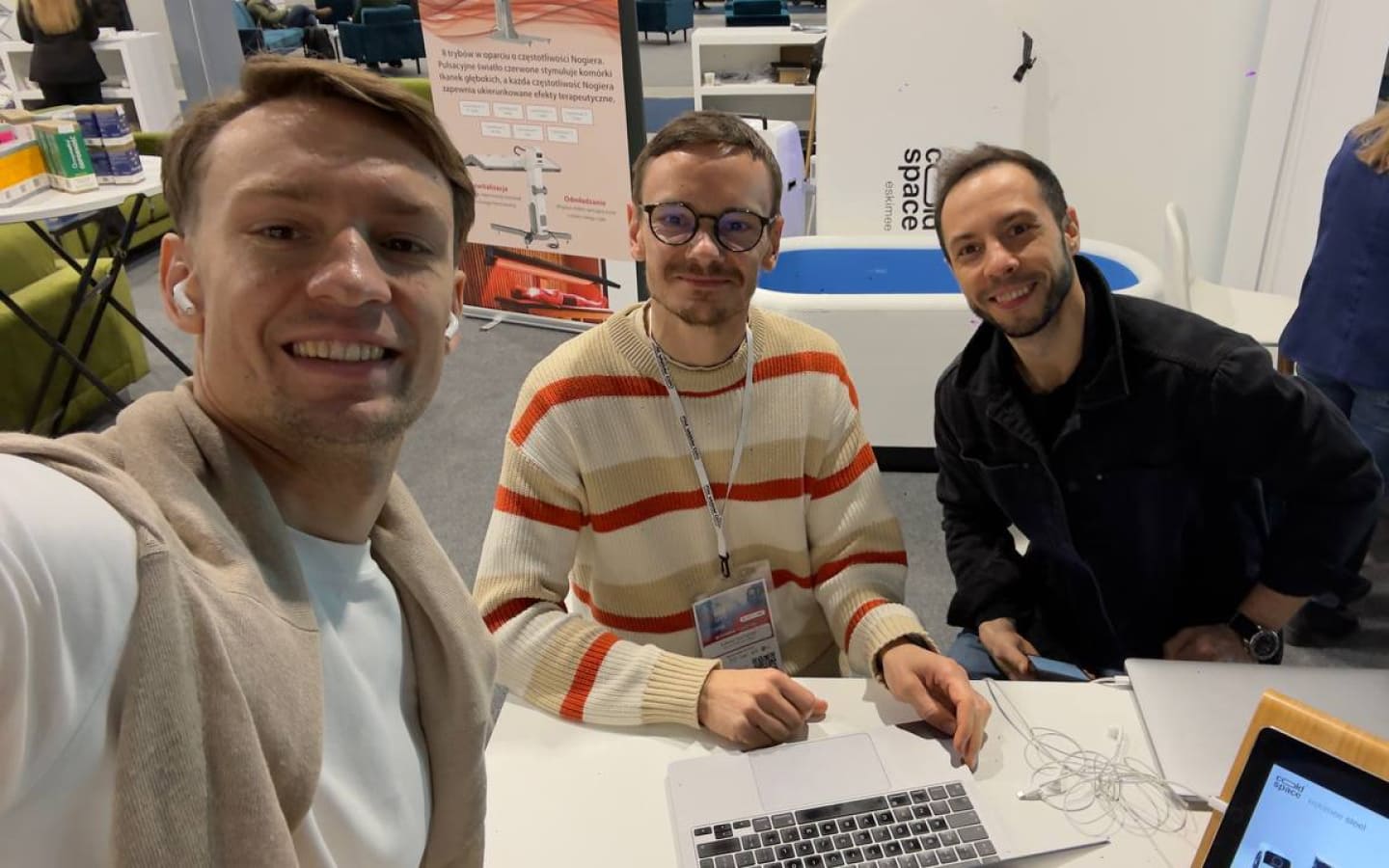
MEDICA+ attended Warsaw Medical Expo 2025 as a visitor rather than an exhibitor.
The purpose was to observe, compare and understand.
Trade fairs provide an opportunity to:
This kind of industry exposure helps MEDICA+ evaluate future directions with more context rather than relying only on marketing trends or online product launches.
MEDICA+ follows developments across medical technology, rehabilitation, wellness and personal care to understand which solutions may have practical value for future products.
Features such as LED, EMS, microcurrent or other device-based technologies are only useful when users understand how they work and how to use them correctly.
That makes ergonomics, control systems, instructions and realistic operating protocols just as important as technical specifications.
A modern home device should come with more than a list of features.
Users also need:
This is one of the principles MEDICA+ is increasingly applying across its product ecosystem and content.
Warsaw Medical Expo 2025 highlighted a broader change taking place across health-tech.
Technology is becoming more personal.
Devices are becoming smaller and easier to use, while users are becoming more informed and more demanding about safety, evidence and transparency.
The most interesting development is not simply that professional technologies are becoming available outside clinics.
It is that the entire relationship between people and technology is changing.
Users increasingly want solutions they can understand, control and integrate into everyday life.
For MEDICA+, Warsaw Medical Expo 2025 was an opportunity to look beyond individual products and understand the bigger direction of the market.
The strongest trends were clear: more technology is moving closer to the user, safety and usability are becoming more important, and education is becoming an essential part of every successful device.
For a brand operating at the intersection of personal care, wellness and technology, following these changes helps make better decisions about what to develop next — and which technologies are genuinely worth bringing into the home.
MEDICA+ aims not simply to follow new technology, but to understand where it adds real value and how it can be translated into practical, accessible solutions for everyday use.
Японские технологии,
которые превышают ожидания
На первую покупку