

Cart
Your shopping cart is empty!
It's never too late to make things right :)


Copied

LED face masks and microcurrent facial devices have become two of the most popular technologies in at-home skincare. Both are widely used in beauty routines focused on healthier-looking, firmer and more radiant skin — but they work in completely different ways.
LED light therapy uses specific wavelengths of light, while microcurrent and EMS devices use low-level electrical stimulation. Because they target different aspects of a skincare routine, they can complement each other, but one technology is not simply a stronger version of the other.
So, what is the difference between LED and microcurrent? Which is better for aging skin? Can you use red light therapy and microcurrent on the same day? And do you really need both devices?
This guide explains how the technologies differ, what you can realistically expect from at-home devices and how to choose the option that best matches your skincare goals.
The simplest way to understand the difference is to look at what each technology actually does.
LED light therapy delivers light at specific wavelengths to the skin. Depending on the wavelength and device, LED is commonly used in routines focused on visible signs of aging, overall skin quality or blemish-prone skin.
Microcurrent uses very low-level electrical currents and is most often included in facial routines focused on temporary visual toning, firmness and facial contours.
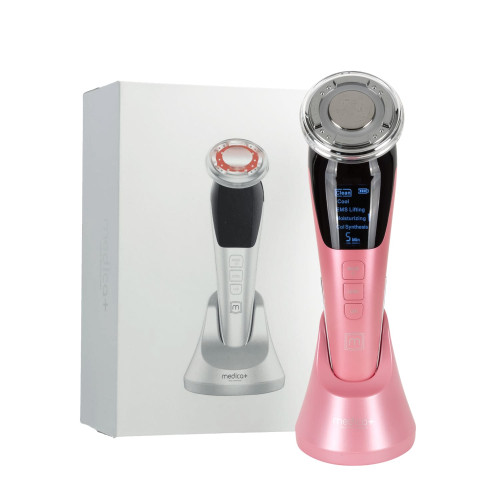
EMS, or electrical muscle stimulation, also uses electrical impulses but is not technically identical to microcurrent. Some multifunctional facial devices combine several electrical modes, LED, vibration, heating or cooling in one system.
This means LED and microcurrent should not be treated as direct substitutes. One focuses primarily on light-based skin care, while the other adds an electrical stimulation element to the routine.
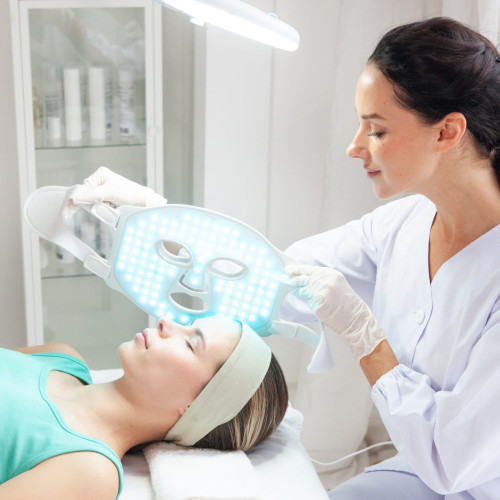
LED stands for light-emitting diode. LED skincare devices expose the skin to light at specific wavelengths without mechanically damaging the skin surface.
The effects depend on the wavelength, intensity, treatment duration, distance between the LEDs and the skin, and the design of the individual device.
The two most established colours in consumer LED skincare are red and blue.
Red light is commonly used in skincare routines focused on visible signs of aging and overall skin quality.
It is often chosen by people who want to support:
Red light is one of the most frequently studied wavelengths in cosmetic LED therapy, but results still depend on the specifications of the actual device and regular use.
Blue light is more commonly associated with skincare for blemish-prone and acne-prone skin.
Some red and blue light devices have been studied for mild to moderate acne, but an at-home LED mask should not replace appropriate medical treatment when acne is persistent, painful, severe or causing scarring.
Many modern LED masks offer additional colours such as green, yellow, purple or turquoise.
These modes may broaden the range of programmes available on a device, but the evidence is not equally strong for every colour.
For that reason, the number of colours alone should not determine which LED mask you buy.
It is more useful to consider:
If you want to explore this technology separately, see our guide to at-home LED light therapy.
Microcurrent facial devices use low-level electrical currents as part of a cosmetic skincare routine.
They are particularly popular among people interested in:
Unlike an LED mask, a handheld microcurrent device usually has to be moved across specific areas of the face according to the manufacturer's technique.
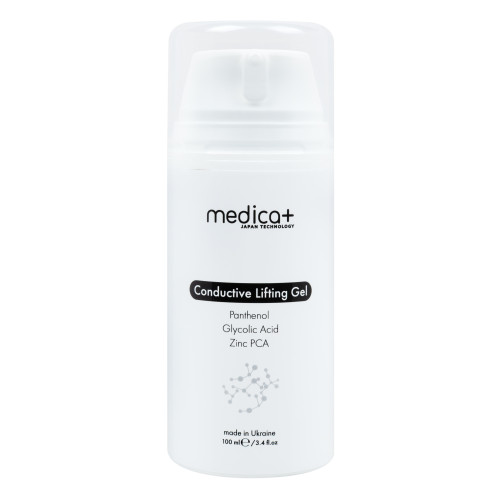
Many devices also require a conductive gel or another compatible medium so the electrical current can pass correctly between the electrodes and the skin.
At-home microcurrent should be viewed as a regular cosmetic treatment rather than a non-surgical replacement for medical lifting procedures.
Not exactly.
The terms are often used together in beauty-device marketing, but microcurrent and EMS can use different current strengths, waveforms and treatment principles.
In practical terms, both may appear in devices designed for facial toning and lifting-focused skincare, but you should always follow the programme and intensity recommendations for the specific model you are using.
Do not assume that a stronger electrical sensation means a better result.
Yes, in many at-home skincare routines the two technologies can be combined because they perform different functions.
For example:
However, combining LED and microcurrent does not automatically make the treatment several times more effective.
With home beauty technology, consistency is usually more important than stacking as many functions as possible.
A device you use correctly and regularly will generally make more sense than several gadgets that make your routine too complicated to maintain.
Sometimes, yes.
If a multifunction device is specifically designed to use LED and electrical stimulation within the same programme, use it according to the manufacturer's instructions.
If you own two separate devices, check the instructions for both.
One device may be intended for clean, dry skin, while another may require conductive gel. Their recommended frequencies can also be different.
There is no universal skincare rule saying that LED must always be followed by microcurrent, or vice versa.
If both technologies are new to you, introducing them gradually can also make it easier to understand how your skin responds.
Neither is universally better.
The more useful question is: what is the main goal of your skincare routine?
Another common question is whether a full-face LED mask is better than a handheld facial device that includes LED.
The biggest difference is usually coverage and convenience.
An LED mask can expose most of the face to light at the same time, which means you do not need to move it from one area to another.
A handheld device is more targeted. It allows you to work on specific areas and may combine LED with functions such as microcurrent, EMS, vibration, heating or cooling.
So:

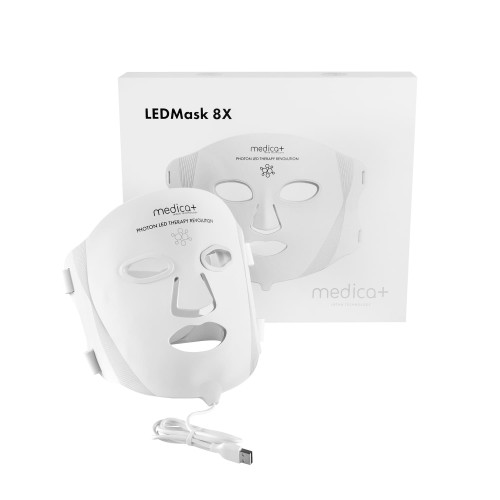
If you want to build your routine primarily around LED light, the MEDICA+ LEDMask 8X is the most dedicated option among these devices.
The mask uses 108 LEDs and offers 7 light modes. Its full-face format means you can expose the face to light without manually moving a device from one area to another.
LEDMask 8X may suit you if:
You can also compare it with other options in the MEDICA+ LED face mask category.

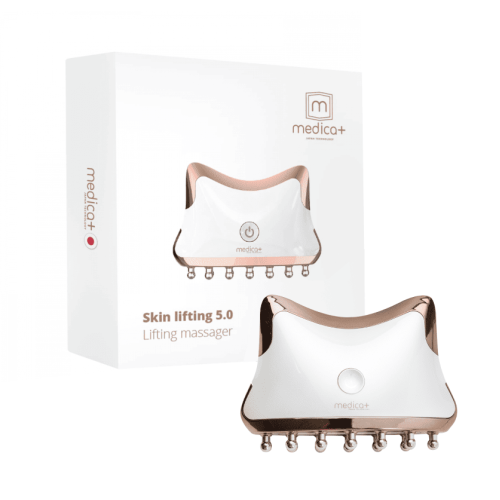
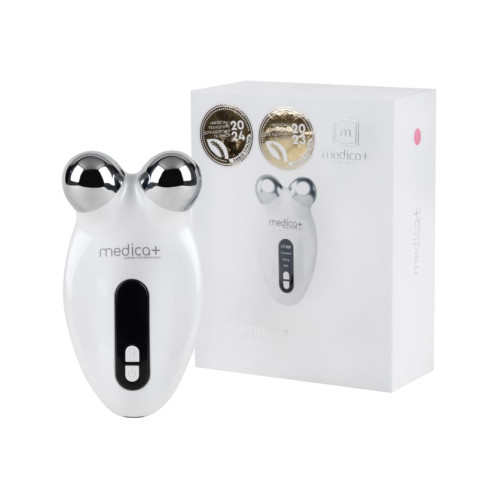
The MEDICA+ Skin Lifting 5.0 is a more compact option for people who want electrical stimulation and LED functions in one handheld device.
Unlike a full-face mask, Skin Lifting 5.0 is used on selected areas, which makes it better suited to a targeted skincare routine.
It may be a good option if:
If you want several technologies in one tool, the MEDICA+ Skin Lifting 7.0 is the more multifunctional option.
The model combines LED and electrical stimulation with several additional skincare functions, including heating, cooling and vibration.
Depending on the selected programme, Skin Lifting 7.0 offers:
This makes it more suitable for someone who wants a single multifunction beauty tool rather than separate devices for individual steps.
If you want to compare this model with other lifting-focused devices, see the MEDICA+ facial lifting device range.
The three devices are easier to compare when you look at the main purpose of each one.
There is no reason to buy the model with the largest number of functions if you only want LED therapy.
Likewise, a dedicated LED mask may not be the most practical choice if your main goal is working manually with the jawline and selected facial areas.
Both technologies appear frequently in anti-aging skincare, but for different reasons.
Red LED light is commonly used in routines focused on overall skin quality and visible signs of aging.
Microcurrent and EMS devices are more often chosen when the goal is a temporarily firmer or more toned appearance and greater attention to facial contours.
For this reason, some users choose to combine the technologies rather than treating them as competitors.
But realistic expectations are important. At-home beauty devices operate differently from professional medical or aesthetic treatments and should not be expected to reproduce the effects of injectable treatments, surgery or professional energy-based procedures.
Some people notice a temporary change in how firm or defined the face appears after an electrical-stimulation treatment.
This should not be confused with permanent structural lifting.
Home microcurrent is generally a routine-based technology, meaning regular use is more relevant than expecting one session to produce a lasting transformation.
LED therapy is not simply a social-media trend: red and blue light have been studied in dermatology and cosmetic skincare.
However, this does not mean that every mask with coloured LEDs will produce the same result.
Performance depends on factors such as:
This is why comparing devices by the number of LED colours alone can be misleading.
There is no universal order that applies to every combination of devices.
An LED mask may be designed for clean, dry skin, while a microcurrent device may require a conductive gel.
For that reason, the safest approach is to follow the instructions provided for each device.
If the preparation requirements conflict, using the technologies at different times or on different days may be more practical than trying to include everything in one session.
There is no single frequency that applies to all LED masks or microcurrent devices.
The recommended schedule can depend on:
This is why universal rules such as “use every device three times a week” are not particularly useful.
Follow the instructions for the specific model rather than assuming that more frequent use will produce faster results.
Many microcurrent and electrical-stimulation devices need a conductive product to maintain appropriate contact between the electrodes and the skin.
If your device requires one, use a gel or compatible product recommended for that type of treatment.
Do not automatically replace conductive gel with facial oil or a random serum. Oils may interfere with conductivity, and not every active skincare product is suitable for use during electrical treatments.
That depends on the individual device.
Some LED masks are designed for use on clean, dry skin. Others may be compatible with certain skincare products.
Do not assume that LED light automatically makes every serum penetrate more deeply or work more effectively.
If you want to combine LED with cosmetics, check the instructions for your device and avoid unnecessarily layering several potentially irritating active ingredients before treatment.
For everyday support, you can also explore the MEDICA+ skincare range.
No.
At-home beauty devices are designed for consumer use and generally work with different parameters from professional equipment used in dermatology, medical aesthetics or beauty clinics.
The main advantage of home devices is that they can be incorporated into a regular routine without scheduling a professional appointment every time.
They are best viewed as tools for consistent at-home skincare, not as direct substitutes for medical or professional procedures.
These technologies have their own contraindications, and the exact list varies from one device to another.
Always read the product instructions before starting a new treatment.
Extra caution may be required if you:
If you are uncertain, ask an appropriate healthcare professional before using the device.
Neither technology is universally better. LED focuses on light-based skincare, while microcurrent is more commonly used in routines centred on visible firmness and facial contours. The better option depends on your main skincare goal.
Yes, the technologies can be combined in many skincare routines because they work differently. Some multifunction devices include both. When using separate devices, follow the instructions for each one.
It may be possible, but there is no universal protocol for all devices. Check the manufacturer's recommendations, especially because microcurrent may require conductive gel while an LED mask may be intended for clean, dry skin.
There is no single correct order. The sequence depends on the specific devices, the required skin preparation and the manufacturer's instructions.
Red light is commonly used in cosmetic routines focused on visible signs of aging, firmness and overall skin quality. Results depend on the device parameters and regular use.
Blue and combined red-blue light have been studied for mild to moderate acne. Home LED can be a complementary skincare option, but persistent or severe acne should be assessed by a healthcare professional.
Microcurrent is frequently used in anti-aging routines focused on skin appearance, firmness and facial toning. It should not be expected to produce the same results as medical or surgical wrinkle treatments.
Microcurrent devices may temporarily improve the appearance of facial tone and contour in some users. This is different from permanent structural lifting.
Some LED devices using appropriate wavelengths can support cosmetic skincare goals when used consistently. The effectiveness of one device cannot automatically be assumed from another, because wavelength, power, coverage and treatment protocols vary.
Not necessarily. A mask with seven colours is not automatically more effective than one with fewer modes. The wavelength and technical parameters of the light are more important than the number of colours listed in the specification.
No. If you mainly want light therapy, an LED mask may be enough. If your focus is facial contouring and targeted treatment, a microcurrent or EMS device may make more sense. Using both is optional, not essential.
Do not apply one frequency rule to every LED device. Recommended treatment schedules vary according to wavelength, intensity and device design. Follow the instructions for your specific model.
The recommended frequency varies between devices and programmes. More frequent treatment does not automatically mean better results, so follow the protocol provided by the manufacturer.
LED light therapy and microcurrent are two different technologies, and choosing between them becomes much easier once you define what you actually want from your skincare routine.
If your priority is full-face light therapy, an LED mask such as the MEDICA+ LEDMask 8X is the more logical option.
If you are more interested in targeted facial care, visible firmness and contour-focused routines, a device such as the MEDICA+ Skin Lifting 5.0 may be more suitable.
If you want LED, EMS and several additional functions in one device, the MEDICA+ Skin Lifting 7.0 offers the most multifunctional approach of the three.
You can also compare different technologies in the complete MEDICA+ facial skincare device range.
The best at-home skincare routine is not the one with the largest number of technologies. It is the one that matches your actual skin goals, fits realistically into your routine and is simple enough to use consistently.
Японские технологии,
которые превышают ожидания
На первую покупку